



How To Remove Salt Residue In Coastal Darwin Homes?
Key Takeaways
- Salt residue can damage windows, metal fixtures and other exposed surfaces if left untreated.
- Regular cleaning with mild products helps prevent stains and corrosion.
- Focus on high exposure areas such as windows, balconies, railings, and outdoor furniture.
- Following a simple cleaning routine reduces long term maintenance.
- Professional quality bond cleaning Darwin services can help ensure a spotless property before an end of lease inspection.
Living in coastal Darwin offers beautiful views and fresh sea breezes, but it also comes with a common challenge: salt residue. Tiny salt particles carried by the wind settle on windows, walls, metal fixtures, outdoor furniture and even indoor surfaces. Over time, this buildup can leave white marks, dull finishes and increase the risk of corrosion if it is not cleaned regularly. Since salt accumulates gradually, many homeowners do not notice the problem until it becomes difficult to remove.
Regular cleaning is the best way to protect your home from the effects of coastal conditions. A simple maintenance routine keeps surfaces looking clean, prevents long term damage, and reduces the effort needed during deep cleaning. This article will let you know how to remove salt residue in coastal Darwin homes. If you are preparing for a rental inspection, removing salt residue also helps create a better overall impression. It is one of the many tasks included in quality bond cleaning Darwin, making it an important step before handing over a property.
1. Know Where Salt Residue Builds Up
Salt residue does not collect evenly throughout a home. Areas that are directly exposed to sea breezes usually experience the highest level of buildup. Windows, balconies, outdoor furniture, metal railings, garage doors and entryways are often the first places where salt begins to settle. Even homes located a few kilometres from the coastline can experience noticeable salt deposits throughout the year.
Indoor areas should not be ignored either. Salt particles can enter through open windows and doors before settling on blinds, window sills, ceiling fans, shelves and air conditioning vents. Regularly checking these locations allows you to remove the residue before it causes stains, surface damage, or unnecessary wear.
2. Use Gentle Cleaning Products
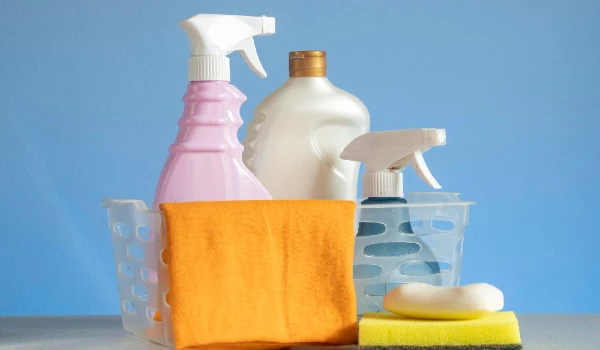
The right cleaning products can remove salt effectively without damaging household surfaces. Harsh chemicals may strip protective coatings or damage painted finishes, while mild cleaning solutions are often enough to dissolve salt deposits. Warm water combined with a small amount of dishwashing liquid works well for most surfaces, while diluted white vinegar can help remove stubborn mineral marks on glass and tiles.
Always rinse surfaces with clean water, after washing to remove any leftover salt or cleaning solution. Drying the area with a microfiber cloth also helps prevent streaks and reduces the chance of fresh salt sticking to damp surfaces. Gentle cleaning performed regularly is much more effective than using strong products after heavy buildup has already occurred.
3. Clean Windows and Metal Fixtures Regularly
Windows are among the most noticeable areas affected by salt residue. A thin layer of salt can leave glass looking cloudy and reduce the amount of natural light entering your home. Window frames, tracks and fly screens can also collect salt; making them harder to clean if maintenance is delayed. Wiping these surfaces every few weeks helps maintain their appearance and extends their lifespan.
Metal fixtures also require regular attention because salt speeds up the corrosion process. Railings, door handles, outdoor lighting, fences and security screens should be washed and dried frequently to minimise rust. Keeping these surfaces clean not only improves their appearance but also reduces the need for costly repairs or replacements in the future.
4. Create a Simple Cleaning Routine
A regular cleaning schedule prevents salt residue from becoming a major problem. Instead of waiting for visible buildup, small cleaning tasks completed throughout the month help keep every surface in good condition. This approach saves time and makes deep cleaning far less demanding when it is eventually needed.
A simple routine can include:
- Dusting indoor surfaces every week.
- Wiping windows and glass every two to four weeks.
- Washing outdoor furniture regularly.
- Rinsing metal fixtures with fresh water.
- Checking balconies and entryways for visible salt deposits.
5. Prepare Your Home Before Moving Out
Salt residue can affect the final appearance of a rental property during an end of lease inspection. Property managers often check windows, balconies, outdoor areas, bathrooms and metal fixtures for cleanliness. Even if the rest of the property is spotless, visible salt marks may leave the impression that cleaning has been overlooked. Taking extra time to remove these deposits can improve the overall presentation of the home.
Many tenants choose professional cleaners before moving because coastal properties require extra attention. Experienced cleaners understand how to safely remove salt from different materials without causing damage. Choosing quality bond cleaning Darwin ensures that difficult areas receive the detailed cleaning needed to help meet inspection standards and improve the chances of receiving the full bond refund.
6. Prevent Future Salt Buildup
While it is impossible to stop salt from reaching a coastal home, there are several ways to reduce how quickly it accumulates. Keeping windows closed during particularly windy days, washing outdoor areas more frequently, and regularly wiping exposed surfaces can all help minimise future buildup. Preventative care is much easier than dealing with heavy salt deposits after several months.
Applying protective finishes to suitable metal surfaces and cleaning outdoor furniture after storms, can also extend the life of your belongings. Simple habits carried out consistently will protect your home’s appearance and reduce long term maintenance costs. These preventative measures are especially valuable for homeowners, who want to preserve their property’s condition throughout the year.
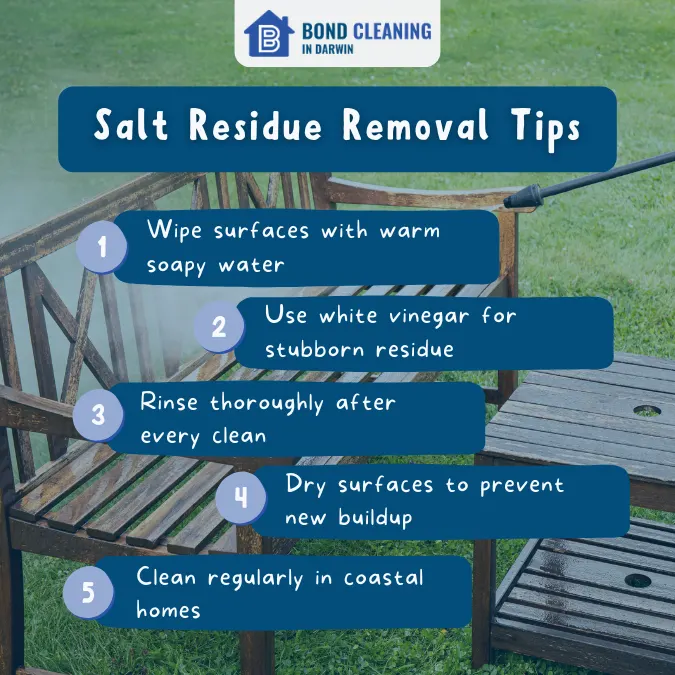
Infographic: Salt Residue Removal Tips
Wrapping Up
Salt residue is one of the most common maintenance challenges for homes in coastal Darwin, but it can be managed with regular care. Small cleaning tasks completed consistently are often enough to prevent heavy buildup and keep your home looking fresh. Combining regular maintenance with quality bond cleaning Darwin can make the entire property look cleaner, protect valuable surfaces and leave a positive impression during the end of lease inspection.
Frequently Asked Questions
Q1. How often should I clean salt residue in a coastal home?
Clean exposed surfaces every two to four weeks to prevent salt buildup.
Q2. What is the best cleaner for removing salt residue?
A mixture of warm water and mild dish soap is effective for most surfaces.
Q3. Can salt residue damage household surfaces?
Yes, prolonged salt buildup can cause stains, corrosion, and surface deterioration.
Q4. Which areas of a coastal home collect the most salt?
Windows, balconies, metal fixtures, outdoor furniture, and entryways are the most affected.
Q5. Does professional bond cleaning include salt residue removal?
Yes, many quality bond cleaning Darwin services include cleaning salt residue from key indoor and outdoor surfaces.